

Researchers are discovering more and more frequently now the
medical wonders of cannabis and while the bureaucrats squabble over
technicalities and repeat decades of propaganda, we know the truth.
Cannabis has been used for thousands of years to treat all manner of
human maladies and the past 100 years has been a fine example of what
happens when you take a thing that has been used for millennia and
outlaw not only its production, promotion, and sale, but also simple
possession of it for personal use.
Families have been broken apart, parents have lost custody of their
children, young men and women have gone to jail and shunned from
society, those who suffer in chronic pain have been left to suffer at
the sole mercy of their physicians and their abominable physically
addictive pain pills and patches.
On this page is a list of 46 different illnesses and symptoms that
may be helped by cannabis.
Table of Contents
Acute Gastritis
Agoraphobia
Alcoholism
Alzheimer’s Disease
ALS
Anxiety
Arthritis (Rheumatoid)
Asthma
ADD/ADHD
Autism
Autoimmune Disease
Back Sprain
Bipolar Disorder
Brain Tumor, Malignant
Cancer
Cancer, Prostate
Cancer, Urine
Chronic Pain
Crohn’s Disease
Darier’s Disease
Delirium Tremens
Diarrhea
Eczema
Epilepsy
Fibromyalgia
Glaucoma
Headaches
HIV/AIDS
Huntington’s Disease
Hypertension
Hypothyroidism
Inflammatory Bowel Disease
Insomnia
Lyme Disease
Major Depression
Malignant Melanoma
Multiple Sclerosis (MS)
Panic Disorder
Parkinson’s Disease
Post-Traumatic Stress Disorder
Psoriasis
Seizures
Shingles (Herpes Zoster)
Sleep Disorders
Tobacco Dependence
Tourette’s Syndrome
Acute Gastritis
Gastritis occurs when the lining of the stomach becomes inflamed
and once it reaches a certain level of inflammation, it stops producing
stomach acid, it produces less enzymes for digestion, and less
mucus.Left untreated, it can cause a lifetime of chronic pain
It is an illness that can be caused by ingesting too much of almost
anything, whether different food items, medications, alcohol, or things
such as too much stress. Heartburn can be a symptom, but bloating,
nausea, and vomiting can also occur.
How Cannabis Could Help
We have CB1 receptors in our brain, but these receptors are also
present in the stomach and some people believe that these receptors are a
functional part of the healing process when our stomach is damaged.
Researchers have also found that there are CB2 receptors that reside
there, as well.
Sources:
Agoraphobia
As a complex anxiety disorder, agoraphobia presents with some of the following symptoms:
- Fear of being alone
- Fear of crowded spaces
- Avoiding places and situations that might cause them to feel trapped, panicked, helpless, scared, or embarrassed.
The average age of onset for the disorder is 20 years old and while
the exact cause of it is largely unknown, some things, such as traumatic
events, appear to contribute to its development.
Research has shown that CBD is the compound in cannabis that acts to reduce anxiety and panic symptoms.
THC, however, has been shown to induce anxiety in high doses, so high
THC strains should be avoided in favor of high CBD strains.
Source:
Alcoholism
Alcoholism is a huge problem in the United States and while many
programs have a decent success rate in treating it, many harm reduction
advocates state that cannabis can and should be substituted for alcohol.
There have also been many anecdotal cases of people who state that
consuming cannabis reduces or completely eliminates their cravings for
alcohol. It’s also been said to reduce the amount of anxiety that
alcoholics experience.
One study published last year in the Journal of the American Medical Association demonstrated that states that have medical marijuana programs had around a 25% reduction in opiate overdose deaths.
Researchers at UC Berkeley in California recently looked at cannabis
as a substitute for alcohol and while they didn’t exactly endorse the
idea, they didn’t directly condemn it, either. Instead, they noted that
alcohol is significantly more dangerous than cannabis for multiple
reasons.
In a study of medical cannabis users from Canada, approximately 75%
of patients surveyed stated that they used their cannabis as a
substitute for other medications that they may be prescribed, as a
substitute for alcohol, and other, harder drugs.
The American Journal on Addictions has shown
that people who use cannabis and go through methadone stabilization
have fewer or milder withdrawal symptoms than those who don’t use
cannabis.
Sources:
http://www.ncbi.nlm.nih.gov/pubmed/23795873#
http://archinte.jamanetwork.com/article.aspx?articleid=1898878
http://download.springer.com/static/pdf/316/art%253A10.1186%252F1477-7517-6-35.pdf?originUrl=http%3A%2F%2Fharmreductionjournal.biomedcentral.com%2Farticle%2F10.1186%2F1477-7517-6-35&token2=exp=1474080643~acl=%2Fstatic%2Fpdf%2F316%2Fart%25253A10.1186%25252F1477-
7517-6-35.pdf*~hmac=1898366b04e89f5f65ba443a94e7366367b0f7b09894111987bff23b49d43995
Alzheimer's Disease
Alzheimer’s is a type of dementia that affects a person’s ability
to remember things and it adversely affects how they think and how they
behave. It’s not a normal part of aging and accounts for the majority of
cases of dementia today.
The Journal of Alzheimer’s Disease released a preclinical study in
2014 that found that small doses of THC can reduce the production of
beta-amyloid proteins, which are considered to be a characteristic of
Alzheimer’s progression.
Because inflammation in the brain is a big part of the damage that is
caused by Alzheimer’s and cannabis is an anti-inflammatory, cannabis
has been shown to prevent nerve cells in the brain from dying.
Source:
ALS
Amyotrophic Lateral Sclerosis is a disease of the nervous system
that causes your body to attack the neurons in your spinal cord and your
brain. This causes problems with being able to control your voluntary
muscles, such as your fingers, toes, arms, and legs. This is how it
begins, but as the muscles in the body become less responsive, most
people who suffer with ALS die of simple respiratory failure due to
their chest muscles failing. There is currently no known cure for ALS.
How Cannabis Could Help
Some studies have shown that while cannabis may help significantly
slow the progression of the disease, cannabis isn’t a cure and does not
necessarily impact the the rate of survival.
Sources:
Anxiety

Anxiety is a feeling of worry or nervousness. Typically, it can
come about because of nearly any imminent circumstances, from medical to
financial to family related concerns and anything inbetween. Chronic
anxiety can be crippling at home and in the workplace; if you have
frequent anxiety and your doctor hasn’t been able to give you a
satisfactory solution, other options are available.
How Cannabis Could Help
Almost everyone has experienced anxiety at one time or another, but
those who experience regular anxiety may get some benefit out of
cannabis.
According to studies, cannabis can either alleviate or exacerbate
anxiety, depending on what type of strain you end up using. High THC
strains seem to make anxiety worse or even induce panic attacks, while
strains that are high in CBD have the opposite effect.
Arthritis (Rheumatoid)

Rheumatoid arthritis is a condition in which the body attacks the
joints. Your immune system is supposed to attack foreign substances,
such as bacteria and viruses, but in autoimmune conditions like
rheumatoid arthritis, the immune system attacks something it shouldn’t.
It causes pain and swelling around the joints and it causes the
synovium to thicken, reducing the amount the joints can move without
pain. Ultimately, this can damage cartilage and cause the joints to
become unstable and extremely painful.
How Cannabis Could Help
People who use medical cannabis for any type of arthritis use it for pain relief, not because it is a cure of any kind.
CBD has been found to be effective in increasing joint health. CB2
receptors have also been found to be present in larger than average
amounts in the joint tissue of arthritis patients, leading to the
conclusion that cannabis can be used to help reduce pain and
inflammation by interacting with those receptors.
Osteoarthritis

Osteoarthritis is due to the long term wear and tear of the
joints. It has many of the same effects as rheumatoid arthritis, but can
have its roots in genetics in some cases.
The end result of osteoarthritis is the cushioning between the bones
that make up your joints is diminished or gone entirely and this causes
excruciating pain.
The current treatments for osteoarthritis also have side effects.
Taking too many NSAIDs, such as ibuprofen and naproxen sodium, can cause
stomach bleeding. Often exercise and maintaining a healthy weight can
keep the condition from getting worse, as weighing less puts less stress
on the joints.
How Cannabis Could Help
Cannabis has largely the same effects for osteoarthritis that it does
for rheumatoid arthritis, although different studies have been done for
each. Most studies note the reaction of CB2 receptors to the intake of
cannabis and its effects on inflammation and pain.
An animal study published in PloS ONE found that cannabinoid (CB2) receptor stimulation in the spinal cords of rats acting as models for osteoarthritis pain in humans (treated with monosodium acetate to induce osteoarthritis-type pain and joint issues) led to decrease in pain response and inflammatory markers. — MedicalJane.com
Opioid pain management is risky due to its highly addictive history
and nature, along with other risks such as overdose and/or death.
Cannabis has been demonstrated to be a safer alternative to opioid pain
management, as states that have legalized it have experienced a 25%
reduction in painkiller related overdoses.
Asthma

While it seems a little counter-intuitive, studies have shown that
medical cannabis can help alleviate some of the symptoms of asthma.
How Cannabis Could Help
THC and THC-V have been shown to inhibit the contractions that
characterize asthma. THC is also suspected to have antitussive
properties.
ADD/ADHD

ADHD is attention deficit hyperactivity disorder that affects
functions of the brain such as concentration, the ability to remember
things, motivation, attention span, effort, the ability to learn from
mistakes, organization, impulsivity, and social skills. It typically
begins at the ages between six and twelve years and lasts for at least
six months. Another criteria for it to be diagnosed as ADHD is that it
causes significant problems in at least two settings in the life,
whether it’s at home, school, or other activities.
There are 3 different types: predominantly inattentive, predominantly hyperactive-impulsive, and a combination of the two.
Symptoms of inattentive type include:
- Easily distracted
- Difficulty focusing on a task
- Appears to not be listening when being talked to
- Daydreaming
- Difficulty following instructions
- Difficulty understanding small details
- Losing things needed to complete tasks, not turning in homework
- Get bored after a few minutes unless doing something they like
Hyperactive-impulsive type symptoms:
- Fidgity in their seat
- Talking constantly
- Runs around touching anything they can get their hands on
- They have to be constantly moving
- It’s difficult to get them to do things quietly
- Extremely impatient
- No regard for the consequences of their actions, are often inappropriate
- They don’t like waiting their turn and have extreme difficulty doing it
- Interrupting people or their activities
The combined type can combine any number of symptoms from both groups.
How Cannabis Could Help
While most people who have ADHD are being treated with stimulant type
medications such as Ritalin, Adderall, and Concerta, some people are
now turning to cannabis to help treat some of the symptoms not only of
the ADHD itself, but to help reduce the amount of side effects they
experience from the pharmaceuticals they are prescribed.
One of the primary characteristics of ADHD is that the brain has a
shortage of dopamine and this seems to be something that cannabis is
capable of helping.
“Cannabis appears to treat ADD and ADHD by increasing the availability of dopamine,” Dr. Bearman wrote. “This then has the same effect but is a different mechanism of action than stimulants like Ritalin (methylphenidate) and dexedrine amphetamine, which act by binding to the dopamine and interfering with the metabolic breakdown of dopamine.”– Leafly
Autism

Autism spectrum disorders are known primarily for causing
difficulties in social interactions, the ability to communicate, and
avoiding taking part in repetitive behaviors. While these 3 things are
at the core of autism disorders, they can and do cause many other
symptoms, many of which can be helped by cannabis.
The symptoms of autism are as follows:
- Difficulty in learning how to speak, read, or write
- They avoid eye contact with people, don’t want to be picked up, ignoring surroundings
- Reduced ability to play well with others
- They don’t understand the feelings of others
- The need for a strict routine and they become highly stressed if their routine is changed
- They can be extremely hyperactive or extremely passive
- Aggressive behavior that results in their injury
- Repetitive motions, such as hitting themselves, rocking, pacing, any motion of the body that is repetitive in nature
- Insensitive to pain or heat
- Extreme emotional attachment to objects
- Strange speech patterns
- Repeating words or phrases multiple times
- May appear to be deaf
- Little to zero concept of the fear of danger
How Cannabis Could Help
Some studies have shown that cannabis positively affects the brain’s
CB1 and CB2 receptors, thereby improving the brain’s ability to send
clear signals. This would help improve behavior and some communication
skills. Those who have access to cannabis as a treatment show
improvements in their incidence of hyperactivity, fatigue, irritability,
inappropriate speech, and more.
Autoimmune Disease

Autoimmune diseases cause the body to attack itself when it should be attacking foreign invaders such as bacteria and viruses.
How Cannabis Could Help
Cannabis is already known to help with rheumatoid arthritis, which is
an autoimmune disease, by reducing inflammation. A study in South
Carolina demonstrated that THC can help suppress the immune system and
reduce inflammation. CBD has been shown to help prevent the body from
attacking itself by helping it recognize the difference between the body
itself and foreign invaders.
Back Sprain

Sprains occur when you stretch or tear a ligament and it causes
pain and when this happens. If you’ve ever rolled an ankle, you know
exactly what we’re talking about here. When a ligament is stretched
outside of its normal range of motion, it can tear it and you have to
spend a decent amount of time allowing it to heal before you can use it
properly again.
How Cannabis Could Help
Back sprains often occur in people who lift weights or lift things as
a regular course of their employment. It’s better known as “throwing
your back out”. When this happens, your body’s immune system goes into
full swing to attempt to fix the problem and inflammation follows in its
footsteps.Because cannabis is known to help regulate the body’s immune
response, it can help regulate it and the body heals more efficiently as
a result.
Topical solutions can help relieve some of the pain and are possibly
better than smoking would because it can be put straight to where it’s
needed.
Bipolar Disorder

Bipolar disorder is a mood disorder characterized by varying
extremes of mood from mania to depression. Unlike people who suffer from
normal depression, those with bipolar also have episodes of mania,
which present with the following symptoms.
Mania symptoms:
- unexplainable energy
- gradiosity
- delusions
- impulsivity
- racing thoughts
- rapid, unstoppable speech
- inability to sleep or not wanting to sleep
- excess pacing or fidgeting around
- drug abuse
- hallucinations
The depression side of bipolar disorder presents with these symptoms.
Depression symptoms:
- Extreme fatigue
- suicidal thoughts
- oversleeping OR insomnia
- unable to concentrate
- no sense of self-worth
- flu-like symptoms
- suddenly not interested in personal hygiene
But, Not Everyone’s In The Same Stage of Bipolar
People who have bipolar disorder act differently depending on whether
they are bipolar or manic. Some of the symptoms of each one may apply
and others may not, so no 2 people’s symptoms are exactly the same.
For this reason, attempting to treat bipolar disorder with cannabis
is tricky, because the result can vary based on what strain is used and
whether the person is manic or depressive when they’re taking it. THC by
itself is known to induce anxiety and paranoia in some people, so it
would stand to reason that it could also worsen manic symptoms. Those
looking for relief from anxiety and paranoia report to do better when
they use strains that are high in CBD.
What About Depression?
There is much more research done about the effects of cannabis as an
antidepressant. Low doses of THC are known to work great as
antidepressants, but as stated above, higher doses are known to create
anxiety.
CBD, however, is known to increase the body’s output of serotonin, a
hormone that makes you feel good. For bipolar sufferers, high CBD
strains are preferable to high THC strains.
There isn’t much research to date about the specific use of cannabis
to treat bipolar disorder, so much of what we have to work on is based
on anecdotes and personal testimonials. All we can do right now is look
at how cannabis is known to treat the different symptoms of bipolar
disorder and let individuals decide for themselves whether it’s
something they’re willing to try until more evidence for its efficacy is
available.
Brain Tumor, Malignant

Brain cancer is an affliction that no one ever wants to hear their
doctor state that they have. It’s difficult to treat and depending on
the type of tumor, the survival rate can be as low as 6% over 5 years.
Glioblastomas
Glioblastomas are the worst type of malignant brain cancer; in fact,
it’s one of the most aggressive types of cancer that currently exists
and survival rates for stage 4 glioblastomas are generally less than 2
years. They also make up approximately 80+% of malignant brain cancer
cases.
Cancer

Cancer is a condition in which cells in any particular area of the
body begin to reproduce rapidly without ceasing. Some cancerous tumors
are benign, where they are unlikely to spread to other organs or parts
of the body. Other types are malignant, where they do spread elsewhere
in the body and begin to create other problems and symptoms.
There are currently over 100 different types of cancer.
How Cannabis Could Help
The National Cancer Institute has found that two primary cannabinoids that have anti-cancer activity. They are:
- Delta-9-THC
- CBD
In addition to having the ability to kill or damage cancer cells
while having little to no effect on healthy cells, they have
collectively been found to reduce some of the negative symptoms
associated not only with the disease itself, but also the side effects
of chemotherapy.
Sources:
Cancer, Prostate

Prostate cancer occurs when abnormal cells of the prostate gland
reproduce rapidly. When this occurs, the masses that are the result can
push up against other organs and bodily structures and cause massive
problems. The prognosis is good if the condition is caught early on, but
becomes much more difficult to treat and cure at later stages of
development. When it metastasized, it becomes extremely difficult to
treat and cure, if not impossible.
How Cannabis Could Help
Cannabis has been shown to assist in alleviating some of the symptoms
of conventional treatment of prostate cancer such as wasting syndrome,
pain, poor appetite, nausea and vomiting. In one study cannabis was shown to produce apoptosis in prostate cancer cells, otherwise known as “programmed cell death”.
Sources:
Cancer, Bladder

Bladder cancer starts when the cells in the bladder start growing
wildly like cancer cells in other parts of the body do. One of the first
signs of bladder cancer is blood in the urine. It’s typically caught
early and easily treated, but often recurs. If you unexpectedly have
blood in your urine, please talk to your doctor.
How Cannabis Could Help
It hasn’t been shown to help if you already have bladder cancer
specifically, but it has been shown to be active in fighting against
cancer in general. Other studies have shown that it may actually help
prevent you from getting bladder cancer in the first place.
Sources:
Chronic Pain

Having any kind of chronic pain can be a pain in the ass. It wears
you down physically, mentally, and emotionally to the point that you
just don’t know what to do with yourself anymore because of it.
It’s caused by a number of illnesses, including:
- Endometriosis
- Fibromyalgia
- Inflammatory Bowel Disease
- Interstitial Cystitits
- Temporomandibular Joint Dysfunction
- Chronic Fatigue Syndrome
- Vulvudynia
- Etc…
How Cannabis Could Help
Multiple cannabinoids have been shown to have pain relieving and
anti-inflammatory properties, including THC, CBD, and others. It’s also
been shown that the administration of single cannabinoids such as THC or
CBD by themselves produce only a limited amount of pain relief versus
the use of the whole plant extracts that contain many cannabinoids,
oils, and flavonoids.
Cannabis can also help reduce your opioid and other prescription pain killer intake.
Sources:
Crohn's Disease

Crohn’s disease is one of multiple inflammatory bowel diseases
that can be uncomfortable, painful, and downright debilitating. Its
cause is unknown, but researchers believe it is “likely” to be the
result of an abnormal immune response or possibly a genetic disorder.
Symptoms:
- rectal bleeding
- abdominal cramps & pain
- constipation
- the feeling that you’re not done eliminating, even though you are
- persistent diarrhea
- urgent need to have bowel movements
Other symptoms listed by the Crohn’s & Colitis Foundation of America include:
- fever
- loss of appetite
- weight loss
- fatigue
- night sweats
- loss of normal menstrual cycle
How Cannabis Can Help
A study in Israel that had a total of 21 severe Crohn’s diease
sufferers take part managed to achieve total remission of the condition
in 5 out of the 11 sufferers that used cannabis. The other 10 people who
took part in the study used placebos. The cannabis users reported that
they had a better appetite and that their quality of sleep improved
significantly. Of the 11 that used cannabis, 10 reported positive
effects.
Sources:
Darier's Disease
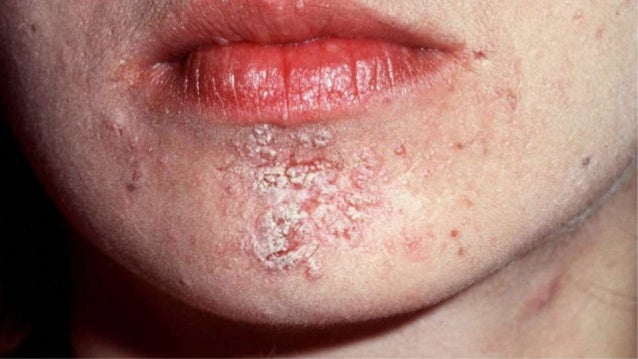
Darier’s disease (DAR) is a rare genetic disorder also known as
Darier disease, Darier-White disease, Dyskeratosis follicularis, and
Keratosis follicularis. It is an autosomal dominant disorder that
presents as dark crusty splotches on the skin; sometimes these contain
pus.
Even though this condition affects both men and women, the disease
isn’t contagious. The disease isn’t life threatening, but can cause
considerable discomfort.
How Cannabis Could Help
Research has shown that cannabis can reduce allergic responses and
block CB2 receptors in the skin. This ultimately leads to a decrease in
skin inflammation and flare-ups.
Sources:
Delirium Tremens

Delirium tremens (DTs) is the result of alcohol withdrawal. It
generally occurs only with people who have had a high intake of alcohol
into their body for more than a month and occurs anywhere from 3 to 10
days after the last alcoholic drink; similar syndromes occur with those
who have consumed high amounts of benzodiazepine and barbituates.
Symptoms of DTs:
- nightmares
- tremors
- panic attacks
- paranoia
- confusion
- hallucinations
- anxiety
- feelings of imminent death
- fever
- headaches
Sometimes even someone who really wants to stop drinking can’t get
past the withdrawal symptoms in order to fully stop. One could consider
DTs the road block to sobriety for many people.
How Cannabis Could Help
Cannabis can help with some of the symptoms of DTs because many of
those symptoms are proven treatable with cannabis, even if they are
symptoms associated with other conditions.
Cannabis has been proven to assist with headaches, tremors, nightmares, nausea, and vomiting.
Sources:

Diarrhea

Almost everyone has had a case of this in the past and it’s
definitely no fun. It is, however, one of the primary symptoms of other
diseases and conditions that cannabis can treat.
How Cannabis Could Help
You probably don’t want to use cannabis for the occasional case of
diarrhea, but if you have it chronically and it affects your day to day
life in a big way, you might want to consider it.
Sources:
Eczema

Eczema is an inflammatory skin condition and the most common type
is known as atopic dermatitis or atopic eczema. Eczema affects anywhere
from 10% to 20% of babies and while most outgrow it by the time they’re
about 10 years old, some will have symptoms throughout adulthood.
The biggest symptom of eczema is itching and this occurs no matter where the skin rash appears.
What causes eczema is unknown as of now, but it’s suspected that it
is due to the body overreacting to an allergen or irritant. Outbreaks
can occur for a variety of reasons and be anything from coming into
contact with animal dander, a detergent, or almost any other item. It’s
difficult to determine the cause of an outbreak.
There is no cure, but it can be managed and it isn’t contagious.
How Cannabis Could Help
Cannabis made into creams or oils seems to reduce the body’s
inflammatory response and allows the skin to heal. A great benefit to
these creams and oils is that they are not currently associated with the
negative effects that steroids have.
One study that was done in 2005 concluded that dietary hempseed oil helped reduce the inflammation, itchiness, and dryness of the skin.
Sources:
Epilepsy

Epilepsy is a condition that causes seizures and it may be
acquired through genetics or through a serious trauma or stroke. Some
cases are more severe than others and there are over 40 different types
of epilepsy.
How Cannabis Could Help
Of the different compounds in cannabis, CBD seems to be the most
promising in the reduction of seizures in epilepsy sufferers. How
exactly CBD helps reduce seizures is currently unknown, but the evidence
that it helps is becoming more widespread in recent years.
Fibromyalgia

Fibromyalgia is a chronic pain syndrome that remains difficult to
treat with modern medicine. The pain is often debilitating and since
medical cannabis has been legalized in many states, there are sufferers
who are turning to it for relief of their symptoms.
In 2014, the National Pain Foundation did a survey
of over 1,300 patients. Of the 390 respondents that stated that they
used cannabis, 62% stated that it was very effective in treating the
symptoms of their condition, while 33% reported that it only helped a
little. The last 5% said it didn’t help at all.
Most (60-68%) people who responded about the FDA-approved medications
such as Lyrica, Cymbalta, or Savella, stated that they didn’t help them
at all.
How Cannabis Could Help
Botanical cannabis seems to be the anecdotally preferred option for
people who use it to calm their fibromyalgia symptoms not only because
they say that it works better, but it’s also much cheaper than synthetic
THC prescription pills such as nabilone.
There is also some speculation that fibromyalgia may be a part of a
larger disease coined “Clinical Endocannabinoid Deficiency (CECD)”. The
condition was first proposed by Dr. Ethan Russo back in 2003.
Cannabis is known to assist in improving quality of sleep through both helping you fall asleep faster and even extending the deep sleep cycle.
It’s also important to get a healthy amount of sleep every night, at
least 7 to 8 hours, because sleep that is interrupted too much can
increase the likelihood that the pain shows increase the day after.
It’s also now widely known to assist in pain relief and work as well as opioids.
Muscle spasms and tightness are also decreased upon the consumption of cannabis.
Sources:
Testimonials:
Glaucoma

Glaucoma isn’t a single condition, but a group of diseases of the
eye that can damage the optic nerve and result in vision loss. The most
common type, open-angle glaucoma, often has no symptoms at all over than
the slow loss of vision. This is very different from angle-closure
glaucoma, which is a medical emergency, and you should see a doctor
immediately if you have it.
By the time the patient becomes aware of their vision loss in the affected eye, the condition is usually quite advanced.
How Cannabis Could Help
Cannabis has been shown to reduce the pressure in the eye that is
associated with glaucoma and also reduce other symptoms that occur such
as pain, vomiting, and nausea. A symptom that can actually worsen with
cannabis use is the reddening of the eyes.
Because the symptoms listed are a result of intra-ocular pressure,
it’s important to focus on the relief of that pressure instead of just
managing the symptoms of it.
Cannabis may be shown to relieve intra-ocular pressure, but it’s not a cure for glaucoma.
Sources:
HIV/AIDS

HIV is also known as “human immunodeficiency virus infection” and
AIDS is known as “acquired immune deficiency syndrome”. They make up a
spectrum of conditions that are caused by the HIV virus. After someone
is infected, they may not notice any symptoms at all or they might
experience something that resembles the flu.
As things progress, the immune system weakens and they begin to come down with other conditions, diseases, and infections.
The virus is spread primarily through a few different means:
- Unprotected sex
- Hypodermic needles
- Mother-to-child during pregnancy, delivery, or breastfeeding
- Contaminated blood transfusions
Symptoms can include a variety of different illnesses, conditions, and infections due to the immune system being depressed.
Initial symptoms, as stated before, of HIV can be nothing, followed
by flu-like symptoms, then followed by nothing again until the disease
progresses into AIDS. The symptoms of AIDS can be as follows:
- Fatigue
- Loss of appetite
- Night sweats
- Fever
- Pain in the abdomen
- Ulcers/white tongue
- Sores
- Severe unintentional weight loss
- Swollen lymph nodes
- Dry cough
How Cannabis Could Help
A study published in 2014 found that THC that was given to monkeys
over a 17 month period actually decreased damage to the immune tissue of
the intestines. Because a large portion of the immune system’s activity
is centered in the gut, this was a pretty important find.
Because HIV spreads by killing immune cells, the gut is one of the
primary locations where it takes a foothold. The monkeys that were
treated with THC, however, had higher numbers of healthy immune cells
than those that were not treated with it. They had lower levels of
infection and their survival rates were higher.
A study that was published by a team at Harvard University in 2013
found that CB2 receptor activation may be able to stop HIV from damaging
the brain.
Cannabis is also a known anti-inflammatory, so it is capable of
reducing some of the pain experienced by AIDS sufferers, in addition to
relieving some of the other symptoms of other diseases the person may
have contracted.
Sources:
Huntington's Disease

Huntington’s disease is a disease that affects the basal ganglia
region of the brain; it causes the degeneration of the nerve cells in
the brain and is ultimately fatal.
Symptoms include:
- Decreased cognitive abilities
- Decreased muscle control
- Difficulty swallowing
- Impaired speech
- Depression
The early stages of the disease may be easy to manage, but in late
stages, the person afflicted with it is completely dependent on others
for their daily needs and they can no longer walk or talk. Extreme
weight loss and choking are major concerns.
When a person dies from HD, it is typically due to one of the
complications of the disease, such as choking, not the disease itself.
How Cannabis Could Help
THC and CBD in cannabis have been shown to be neuroprotective and
because HD is a neurodegenerative disorder, it may help slow the
progression of the disease. The cannabinoid receptors seem to be
directly tied into the progression of HD, also; in the early stages of
the disease, those receptors disappear as a fast rate in striatal
neurons.
Sources:
Hypertension

Hypertension is also known as high blood pressure and a large
portion of the United States suffers from it. It means that your blood
vessels are experiencing too much pressure and this can damage them.
How Cannabis Could Help
Research has recently shown that the body’s endocannabinoid system
plays a part in regulating blood pressure, even though how it does this
isn’t very well understood at this time.
Sources:
Hypothyroidism

Hypothyroidism is a disorder that causes the thyroid gland to not make enough thyroid hormone.
If you’ve ever wanted to know what your thyroid does, the simple
answer is this: everything! Hormones that are produced in the thyroid
affect almost every bodily organ that you have. It’s most associated,
however, with our metabolic rate and is part of what controls our body
weight and how much energy we have.
How Cannabis Could Help
While cannabis hasn’t been linked conclusively to curing any
thyroid problems, but it can be helpful in the relief of some of the
symptoms that hypothyroidism may cause. This includes assisting with
digestive issues, mood swings, trouble sleeping, and assistance in the
regulation of energy imbalances.
If you choose to attempt to help your hypothyroidism symptoms with
cannabis, pay attention to how your body responds and if you experience
adverse reactions, cease immediately.
Source: Testimonials Only
Testimonials:

Inflammatory Bowel Disease

Inflammatory bowel disease is a condition in which parts of your
body’s gastrointestinal system succumb to chronic inflammation. This can
wreak havoc on your life, career, and bank account, as it can be
expensive and time consuming to deal with. It often makes holding a job
nearly impossible due to frequent stomach upset.
A few known IBDs are Crohn’s disease (mentioned above), Ulcerative colitis, collagenous colitis, and lymphocytic colitis.
Symptoms of an IBD can be:
- Vomiting
- Nausea
- Diarrhea
- Appetite loss
- Abdominal pain
How Cannabis Could Help
Cannabis has been found to “cool the gut”, so to speak, because so many of its compounds are known anti-inflammatories.
CB1 and CB2 receptors are found in the gut of every person and they
assist in regulating gut function. Because the endocannabinoid system
has been shown to help maintain proper gut sensation and motility and
relieving inflammation, cannabis can help by providing the cannabinoids
necessary to do the job.
Source:
Insomnia

Insomnia is a sleep disorder where those who are afflicted either
have difficulty falling asleep or staying asleep. Another symptom of the
disorder is not feeling well-rested.
There are many different things that can cause insomnia; this is includes, but is not limited to:
- Chronic pain
- Low back pain
- Neurological disorders
- Arthritis
- Acid reflux
- Sinusitis
How Cannabis Could Help
Cannabis has long been known to help people get to sleep, but other
benefits of using it are being discovered now on a regular basis.
Because cannabis has been known to help with chronic pain of
different types, it can be used to help reduce insomnia in people who
have those issues. It’s also been shown to help reduce anxiety, which is
another factor that keeps some people awake.
Sources:
Lyme Disease

Lyme disease is also called borreliosis and it is caused by ticks
carrying the bacterium Borrelia burgdorferi. It’s treatable by a doctor,
but requires a medical diagnosis and can sometimes be overlooked and
diagnosed as something else.
When treated appropriately with antibiotics, most people recover from
it completely. The problem with diagnosis is that not everyone develops
the characteristic “bulls-eye” rash that tends to occur around the site
of the tick bite. Around 25%-50% of people don’t develop this, so their
case of it can go undiagnosed for a long time. Even though appropriate
antibiotics may be given, anywhere from 10% to 20% of people still have
some pain, memory issues, or have fatigue for at least six months
afterwards.
How Cannabis Could Help
As stated previously, lyme disease that is diagnosed early and
treated appropriately with antibiotics can completely go away, except
for some lingering symptoms afterward in some people.
If a person is bitten by an infected tick and doesn’t realize it, the
disease could take years to be discovered by a medical professional.
Lyme disease that is treated in late stages with antibiotics can be slow
to be cured, if a complete cure is even achieved.
All 5 of the major cannabinoids that have been studied in recent
years (THC, CBD, CBN, CBG, and CBC) have been shown to have active
effects against MRSA. Some other cannabinoids like 8-hydroxycannabinol
have antibacterial properties, as well.
Cannabis could also be effective for treating the late stages of the
illness, because it can assist in reducing headaches, nausea, pain, and
spasms.
Sources:
Major Depression

Major depressive disorder, also known simply as depression, is a
mental condition that is characterized by at least two weeks of an upset
or low mood. The mood is present in all situations the person
experiences and varies little. Often the cause is a combination of
genetic, environmental, or psychological factors.
How Cannabis Could Help
A recent study has found that cannabis could be helpful in managing
depression that results from chronic stress. When rats were placed under
chronic stress, their bodies reduced the production of
endocannabinoids. These cannabinoids have a profound effect on our
ability to think, our emotions, behavior, and a lack of them increases
pain and anxiety. When the body doesn’t produce enough of these,
cannabis use can help replace some of what the body is no longer
producing enough of.
Sources:
Malignant Melanoma
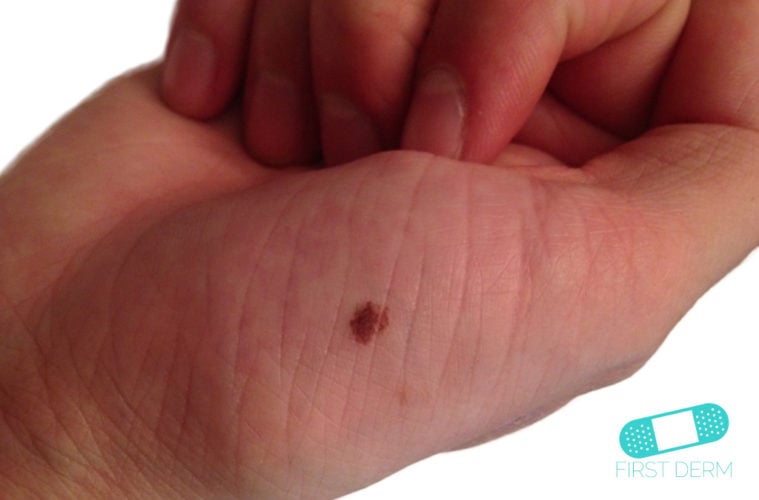
Melanomas are the most dangerous types of skin cancer in existence
and occur when unrepaired DNA does damage to skin cells. These often
start in moles, because the cancer develops in areas where your skin has
the most pigment. One of the characteristics of a melanoma is a spot on
the skin that appears to be a mole at first, but changes color, size,
shape, becomes itchy, and begins to break down.
One of the primary causes of melanoma is UV exposure in people who
have little skin pigment. This can occur simply by staying in the sun
far too much or through using tanning beds or other devices excessively.
Another linked cause is genetics; some genes are known to increase
the risk, so if you have family members that have had melanomas before,
it’s not out of the question for you to get one.
How Cannabis Could Help
A recent study has found that human melanoma cells in-vitro had
increased instances of cell death when THC and CBD were administered.
“when lower doses of THC are combined with CBD the anti-tumour effect was enhanced in-vitro”. –Exploiting cannabinoid-induced cytotoxic autophagy to drive melanoma cell death
Sources:
Migraines

Migraines are a type of headache that varies in its intensity and
can also cause nausea and light and sound sensitivity. A number of
things can cause them, from changes in hormones to stress, exercise, or
even certain foods or drinks.
How Cannabis Could Help
At least one study suggests that the activation of CB2 receptors
could be responsible for the reduction in migraine symptoms when using
cannabis.
Smoking or vaping cannabis for migraines seems to be more effective
than using edibles for the condition, due to edibles taking longer to do
the person any good.
Sources:
Multiple Sclerosis (MS)
Multiple sclerosis (MS) is a chronic, usually progressive disease
that causes the body’s immune system to attack the myelin sheath around
the spinal cord. It can be associated with severe fatigue, impairment of
muscular function, speech, blurry vision, and often numbness. While
some people may only have some symptoms that never get any worse, others
have symptoms that persist and get worse over time.
Common Symptoms:
- Tremors
- Whole body fatigue
- Dizziness
- Leaking of urine
- Blurry vision, vision loss, or double vision
- Erectile dysfunction
- Anxiety/mood swings
- Slurred speech or impairment of voice
- Difficulty thinking or understanding
- Headaches
How Cannabis Could Help
Because cannabis has such anti-inflammatory activity in the body, it
helps reduce the amount of inflammation present in the brain that is
being caused by an overproduction of cytokines.
THC and CBD serve the function of basically deactivating the immune
system and stopping it from attacking your central nervous system.
Cannabinoids are also some of the only substances that can help promote
the process of neurogenesis in adults. This is the production of new
brain cells.
Cannabis is also very helpful for the chronic pain that MS sufferers
experience on a day to day basis. Inflammation creates pain, pain
creates inflammation; this is a vicious cycle that cannabis can help
slow down and even stop.
Muscle stiffness and spasms are also reduced by cannabinoids such as CBD.
It can also help with digestive issues; because 70% of your body’s
immune cells are in your intestines, it makes sense that an autoimmune
disease such as MS would be active there. As stated before, cannabis can
help quiet the immune system. This, when applied to the gut, means that
the muscles are quieted, diarrhea is relieved, and inflammation is
reduced.
Because cannabis has been found to be a neuroprotectant and many
vision problems are due to inflammation, it also helps protect the eyes
of the MS patient.
Sources:
Panic Disorder
Panic disorder is a psychiatric disorder that causes anxiety in a
person that is debilitating and sudden in nature with no reasonable
cause. People who have this disorder experience panic attacks for no
apparent reason and they remain fearfully preoccupied with the
possibility of another attack.
Symptoms of panic disorder include:
- Palpitations
- Sweating
- Trembling
- Nausea or abdominal upset
- Numbness or tingling of different parts of the body
- Feeling detached from oneself or feeling that things aren’t real
- Fear of another panic attack
- Dizziness
- Chest pain
- Shortness of breath
Because many of these symptoms mimic things such as heart disease or
other serious illnesses, people who suffer from panic disorder may end
up in the hospital convinced that their life is in danger.
How Cannabis Could Help
Cannabis has been shown to help panic disorder and anxiety in
general, but only in strains and edibles that contain a higher
concentration of CBD. THC has been shown to exacerbate anxiety, not
reduce it.
Sources:
Parkinson's Disease

Parkinson’s disease is a disease of the nervous system that gets worse with time. Some of its symptoms are as follows:
- Tremors
- Muscle rigidity
- Slow, shaky movement
- Inappropriate sleeping patterns, nightmares
- Dementia, amnesia, or difficulty understanding
- Anxiety or apathy
- Leaking of bowels
- Depression
- Impaired speech
- Fatigue
- Dizziness
No one is sure what causes it, but it highly associated with the
degeneration of the basal ganglia of the brain and a deficiency in
dopamine hormone.
There is no known cure, only treatments to help with symptoms.
How Cannabis Could Help
Cannabis has been said by sufferers of PD to assist in relieving some
of their resting tremors, bradykinesia, muscle rigidity and
dyskinesias.
Post-Traumatic Stress Disorder

Almost anyone from a military family knows someone who has PTSD,
but the truth is that not only military veterans suffer with the
condition. PTSD or post traumatic stress disorder, can be caused by
seeing or experiencing a traumatic event.
It causes the person to develop flashbacks, have nightmares, and
experience severe amounts of anxiety whenever triggers are present.
Triggers can vary depending on what the person’s initial trauma was
centered around. Someone who was in a car accident, for example, may
become triggered when seeing the same type of vehicle they were in or
someone who was a kidnap victim may panic when they see someone who
simply has the same hairstyle their attacker did.
How Cannabis Could Help
Those who suffer with PTSD are found to have a deficiency of a
compound called anandamide, which an endogenous cannabinoid compound.
Anandamide is a compound that makes us feel good and is found in many
food items associated with that feeling, such as chocolate. It triggers
the same receptors in the brain that smoking cannabis does and in this
sense, one of the markers of PTSD is an endocannabinoid deficiency. When
your body doesn’t produce enough endocannabinoids to fill the receptor
sites, the cannabis serves as a supplement.
“Scientists have determined that normal CB-1 receptor signaling deactivates traumatic memories and endows it with the gift of forgetting,” Lee said, “But skewed CB-1 signaling, due to endocannabinoid deficits (low serum levels of anandamide), results in impaired fear extinction, aversive memory consolidation, and chronic anxiety, the hallmarks of PTSD.” — Leafly
PTSD has been used by veterans for a while now and testimonials
abound on YouTube and on other websites online talking about its
effectiveness. Multiple US states that have legalized medical marijuana
now have PTSD on the list of ailments able to be treated within their
medical marijuana programs.
Official studies about the positive effects of cannabis on PTSD are
rare, while studies that paint marijuana use as a substance abuse
problem by PTSD sufferers are prevalent. Many sufferers report to the
Department of Veterans Affairs that the anti-psychotic medications and
anti-depressants they are conventionally prescribed simply have little
effect on their symptoms.
If you decide to attempt to use cannabis for your PTSD, you should
know that high amounts of THC are known to cause anxiety and make
existing anxiety worse, so strains that are high in CBD are best for
decreasing anxiety.
Sources:
Psoriasis
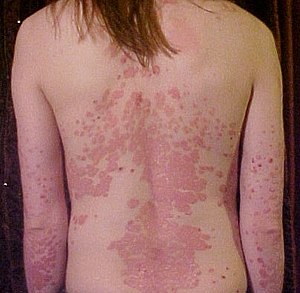
Psoriasis is a skin condition that causes the skin to build up and
form itchy, dry patches. It’s itchy and unsightly, often causing loss
of self-esteem and depression. It can last a person’s entire life or
just a few years and can be triggered by stress, cold, or infections.
How Cannabis Could Help
Studies have shown that cannabis can help reduce inflammation
throughout the body, including the inflammation associated with
autoimmune disorders such as psoriasis. This is primarily done through
the activation of the body’s CB1 and CB2 receptors.
In addition to being able to help with the immune condition that
causes psoriasis, cannabis can also help counteract some of the side
effects of conventional drugs used to treat the condition.
Sources:
Seizures
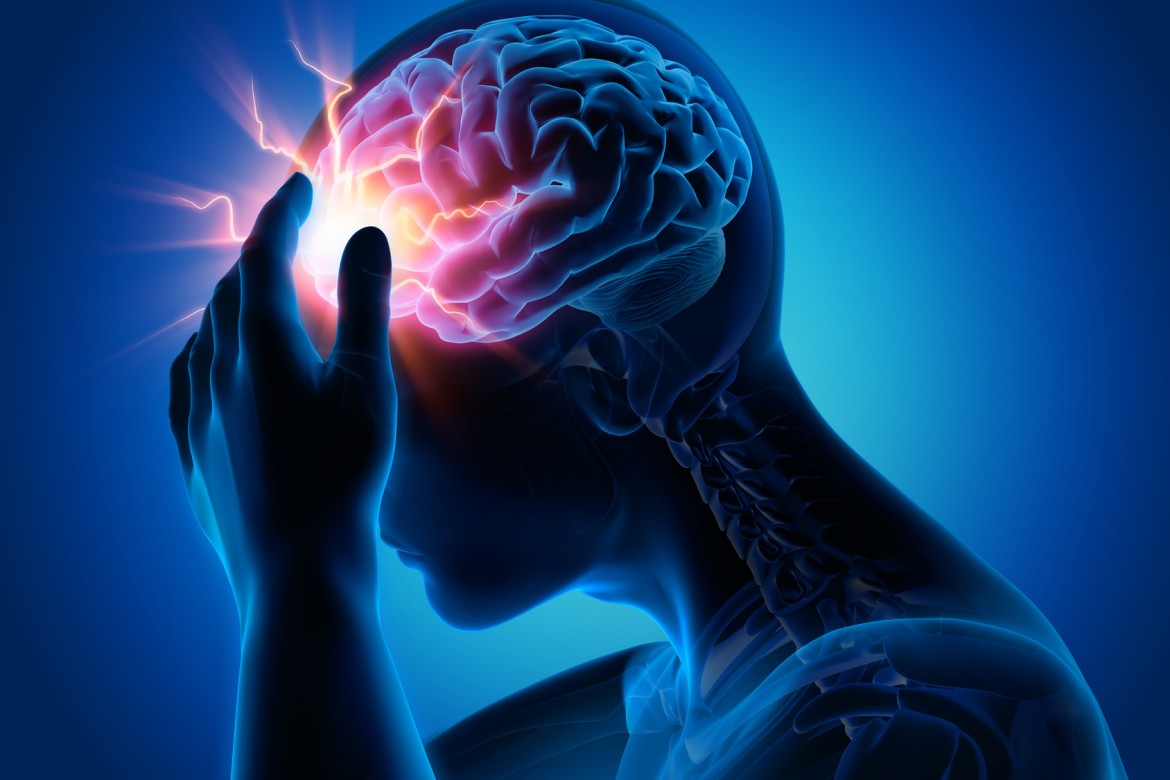
Seizures
occur when your brain’s electrical activity changes. Even small changes
can cause seizures and while there are a few different types of
seizures, most share some of these symptoms:
The causes of seizures are varied and can include things such as drug
withdrawal, epilepsy, head trauma, bites/stings, brain infection, and
more.
Anyone having seizures should seek treatment immediately, because
untreated seizures can progress and eventually increase in number and
intensity.
How Cannabis Could Help
Cannabis has been found to help reduce the incidence of seizures in
those who have epilepsy.Most of this effectiveness has been found to be
due to the cannabinoid CBD.
Sources:
Shingles (Herpes Zoster)
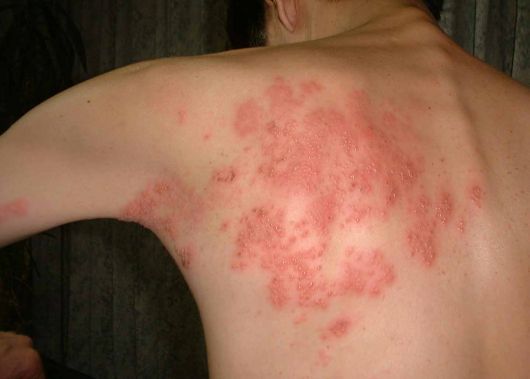
Shingles is some nasty, painful shit, guys. We all hear about it
as kids or at least by the time we’re teenagers and it sounds like this
far off, exotic thing that nobody gets until they’re old and feeble.
Remember when your great aunt or your grandma came down with it a year
or two ago and everybody laughed because “it can’t be that bad”?
Yeah, stop laughing. It IS that bad.
They say you’re at risk if you’re old or have a compromised immune
system, but as someone who has personally seen a 19 year old come down
with it, don’t think you’re safe.
If you’ve ever had chickenpox as a child, it’s possible that you can
get shingles, also known as herpes zoster, as an adult at any age, even
though the older you are, the higher risk there is It is a virus that
can cause many different symptoms:
- Red patches of skin
- Fluid-filled blisters that break easily
- A rash on the face and/or ears
- Severe itching and burning sensations where the rash is
- Fever
- Headache
- Muscle weakness
- Fatigue
- Chills
- Extreme nerve pain
Some of the risk factors are things that you might expect, such as:
- Being over 60 years old
- Having any disease that weakens the immune system, such as cancer, HIV, AIDS, etc
- Undergoing or having recently undergone chemotherapy or radiation treatments
- Taking any medications that are known to weaken the immune system, such as steroids
- High levels of stress
How Cannabis Could Help
One of the primary symptoms of shingles is nerve damage and pain and
while pain relievers such as morphine can actually damage your body’s
ability to fight against pain by itself, your body’s endocannabinoid
system is designed to help protect your nervous system and assist in
fighting inflammation and nerve damage.
The secret here may lie in cannabis activating your body’s CB1
receptors, as they are responsible for reducing neuroinflammation.
Sources:
Sleep Disorders

In this day and age it can seem like almost everybody has some
form of sleep disorder. There are many different types of sleep
disorders from narcolepsy to insomnia, and they all have their own
unique effects on the person afflicted. Losing sleep is not something
that should be taken lightly as it can lead to exhaustion which brings
its own set of medical problems.
How Cannabis Can Help
If you are battling difficulty sleeping then cannabis can be an
amazing alternative to traditional medications. Cannabis can cause you
to become drowsy and help to lull you into the right physical state to
get the rest that you need. It does need to be said, however, that
cannabis use can inhibit REM sleep and dreaming.
Cannabinol (CBN) is the cannabinoid that makes you sleepy and even shows activity against MRSA when applied to the skin.
Sources:
Tobacco Dependence
Any smoker will tell you that trying to quit is an almost
Herculean task that often feels impossible. Think about what goes into
conventional cigarettes. Aside from nicotine there is no real consistent
mix of chemicals from company to company. This is the real reason why
so many smokers are brand-loyal to an extent. They have grown accustomed
to the specific formula that the company puts into the specific brand
of cigarettes.
On top of the chemical mix the biggest part to overcome with smoking
tobacco is the actual habit of lighting up and holding the cigarette in
your hand. The very habit is quite possibly the biggest part of trying
to break away from cigarettes.
How Cannabis Can Help
Cannabis can help with tobacco dependency in two ways. First of all,
smoking cannabis mimics the habits of using tobacco cigarettes. The hand
motions, the lighting up, the flicking motion are all part of the
psychological addiction to smoking so cannabis serves as a decent
substitute.
Cannabis also does not have the chemical content of cigarettes. The
user can use the habit of using cannabis as a replacement for cigarettes
to help ween themselves off of the nasty addictive chemicals of
cigarettes to reduce and eventually eliminate dependency.
Just don’t mix cannabis and tobacco. Mixing them in the same rolled
cigarette can decrease the likelihood that you’ll ever quit smoking
either one!
Sources:
Tourette's Syndrome
Tourette’s Syndrome is a hereditary disorder that can manifest in
early childhood. The primary hallmarks of Tourette’s syndrome are
frequent tics that can manifest themselves in many forms. Tics can be
sudden verbal outbursts, obsessive compulsive tendencies, and physical
twitching, just to name a selection but common few.
It needs to be understood that there is no cure for Tourette’s
Syndrome. A cure would be total alleviation of symptoms without the
continued use of any form of medication. When it is said that cannabis
offers a cure for Tourette’s Syndrome what is actually meant is that
cannabis offers alleviation of the symptoms of Tourette’s Syndrome.
How Cannabis Can Help
The biggest advantage that cannabis offers a patient dealing with
Tourette’s syndrome is the reduction of tics and outburst. In 1998
German researchers from Hanover conducted a study and found that 17 of
64 observed patients diagnosed with Tourette’s syndrome reported
cannabis use. 14 of those 17 patients reported that they experienced
partial or complete relief of symptoms and tics following cannabis use.
As with many other diseases symptoms of Tourette’s such as obsessive
compulsive symptoms and insomnia are relieved through cannabis use due
to the calming effect that cannabis has. It is even possible that
cannabis can increase the effectiveness of conventional Tourette’s
syndrome medications.
Sources:


 Posts
Posts


0 comments:
Post a Comment