

Is Cannabis The Diabetes Cure We Have Been Searching For?
If you love eating space cakes and cannabis-infused candies but worry about diabetes, we’ve got good news.
Diabetes is a group of metabolic diseases that are characterized by
high blood sugar (also referred to as high glucose levels) either
because the body can’t metabolize blood sugar properly or because
insulin production isn’t enough. It can be caused by genetics, weight
gain, inactivity, exposure to a virus, dietary factors, high levels of
triglycerides (a type of fat that is stored in the blood), low
high-density lipoprotein (HDL, also known as good cholesterol), or
high blood pressure.
Diabetes affects around 29 million Americans, and almost 400 million people worldwide.
Diabetes leads to the death of 5 million people each year, despite the prevalence of big pharma in “treating” diabetes.
But then the great ganja shows us again, that yes there is a pot of
gold at the end of the rainbow, and it isn’t exactly “news”. It all
started back in 2005 when a research paper from the American Alliance
for Medical Cannabis
stated that cannabis had several health benefits for people who suffer
from diabetes particularly because of its ability to stabilize blood
sugar.
Marijuana’s anti-inflammatory properties have also proven effective
in reducing the arterial inflammation that typically occurs with
diabetes.
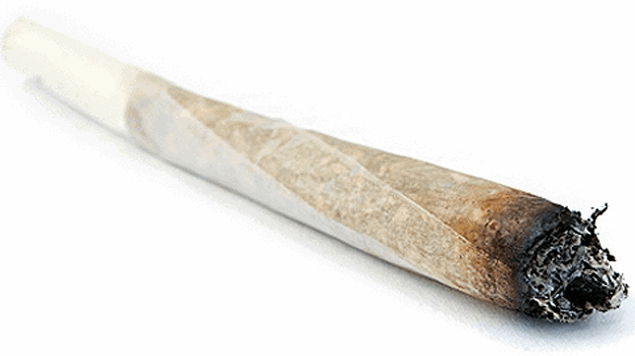
In fact, marijuana isn’t just a good remedy for diabetes: smoking pot is also a preventive measure.
In 2013, the American Journal of Medicine published the results of a 5
year study on the effects of marijuana on glucose, insulin resistance
and fasting insulin. 4,657 respondents participated in the study; out of
these, 2,103 never touched cannabis while 2,554 have experience with
it. The results showed that the fasting insulin levels were 16% lower
than those who never smoked pot before. Current marijuana users also had
higher HDL levels and lower levels of insulin resistance. On the other
hand, the participants who were not current marijuana users but had used
it at some point in their lives showed similar results although the
differences were not that significant. This tells us that the
marijuana’s protective benefits decrease with time.
According to an interview with Time Magazine, Murray Mittleman, lead
researcher of the study and associate professor of medicine at Harvard
Medical School states: “The most important finding is that
current users of marijuana appeared to have better carbohydrate
metabolism than non-users. Their fasting insulin levels were lower, and
they appeared to be less resistant to the insulin produced by their body
to maintain a normal blood-sugar level.”
In other words, light up: regular consumption of marijuana can prevent diabetes.
But that’s not all - studies show that the herb really is powerful in combating this dreaded disease.
Another study in 2014 published in the Natural Medicine Journal
concluded that participants who used marijuana either in the past or
until the time of the study revealed low levels of fasting insulin,
glucose, decreased insulin resistance, lower BMI and waist size. Then in
2015, researchers at the Hebrew University of Jerusalem released the
findings of a study that CBD’s anti-inflammatory properties are an
effective treatment for various diseases including diabetes.
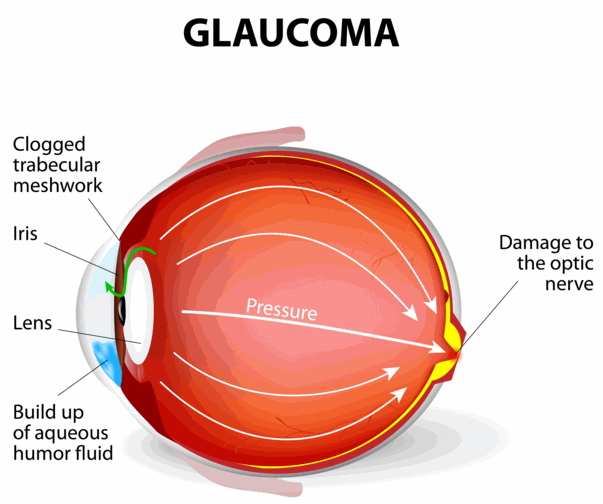
Glaucoma is a side effect of diabetes - people with
diabetes are 40% more likely to develop retinopathy, which is a name
used to describe glaucoma-related complications. In glaucoma, pressure
increases behind the eye which can cut off blood flow resulting in a
damaged optic nerve. Because pressure continues to build up, and the
nerve damage worsens, glaucoma can lead to blindness.
Medical cannabis has long been prescribed already for those with glaucoma.
Pot has been scientifically and medically proven to treat the
inflammation that occurs as a result of more blood flow and nerve
damage. However the relief provided by medical marijuana is temporary
and this is why doctors recommend that patients need to smoke every 3
hours around the clock. Yes that means you can get stoned all day. But
let’s not deny the fact that being stoned the entire day isn’t exactly
healthy or productive, that’s why some doctors are already hesitant
to recommend it. This is where the importance of choosing the right
strains or perhaps opting for other methods of taking marijuana comes
in. But the supervision of a doctor in using medical marijuana to ease
the pain associated with glaucoma is still important, because it’s
a progressive disease and to date there is still no cure.
So what are you waiting for? Time to toke up!
Do you know anyone who has used marijuana to treat diabetes?


 Posts
Posts


0 comments:
Post a Comment